Adventure
Discover The Biggest Desert in Middle
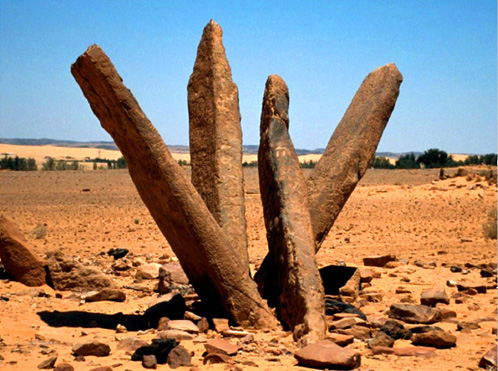
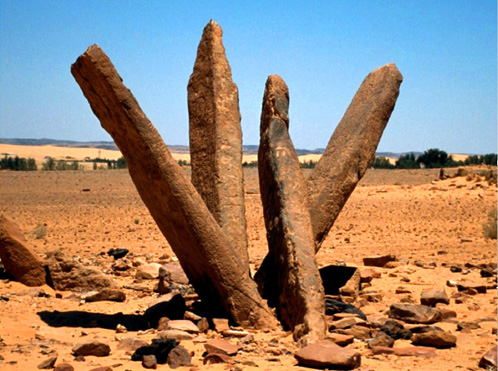
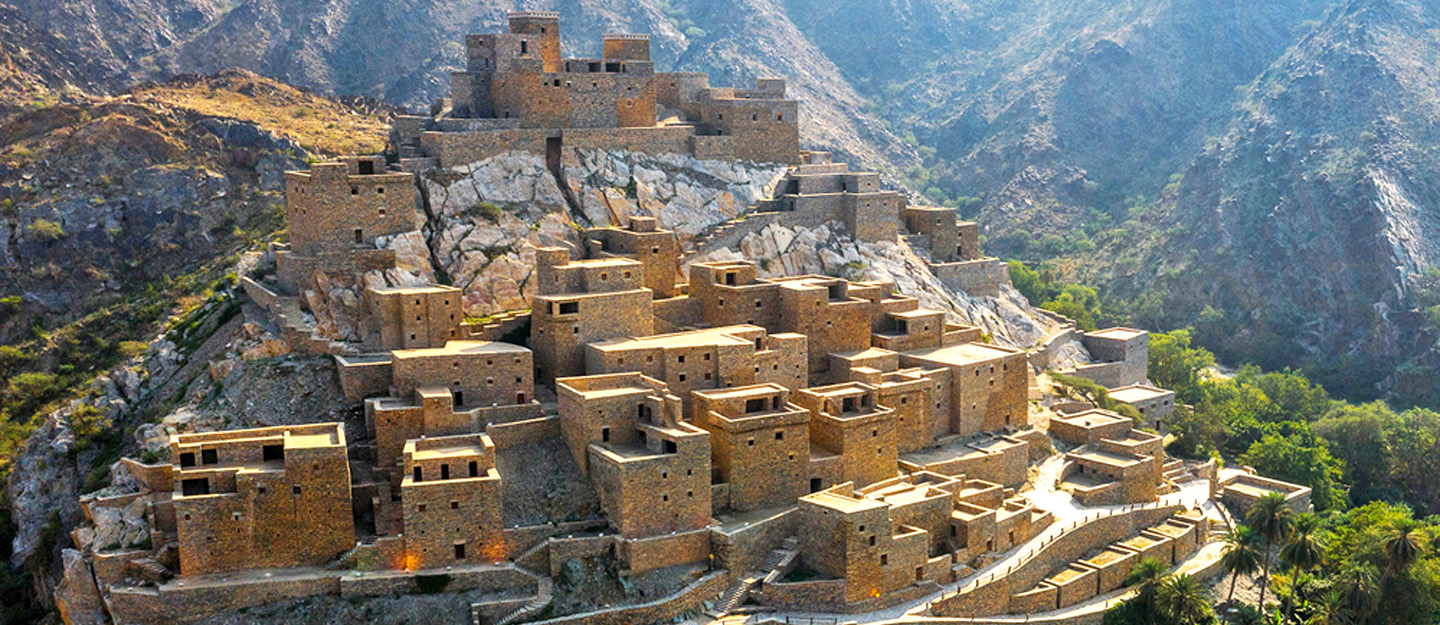
Saudi Arabia is landlocked by a range of spectacular high dunes and long sand valleys, which are readily accessible to visitors to enjoy a unique blend of serenity and thrill. Here are some of the different deserts in Saudi Arabia with windswept mammoth dunes surrounded by mountains and breathtaking areas. Rub’ Al Khali - The Empty Quarter Rub Al Khali is a huge stretch of endless horizon of softly rolling dunes rising from the ground with its highest dunes reaching 250 meters. The desert's gigantic size is overwhelming but it's still loved by adventurous travelers. Covering 650,000 square kilometers, it is part of a southern third of the Arabian Desert, including parts of Saudi Arabia: mainly the Eastern Province, Najran and Riyadh Provinces, United Arab Emirates, Oman, and Yemen. The massive sand dunes of Rub AlKhali feature a collection of diverse sands including longitudinal, crescent sands, and dome-shaped. Watch out for the sabkhas, which are soft plains between gigantic dunes that can be threatening to the vehicles. Activities: Dune bashing, camping, quad biking. Al Nufud Al Kabir - The Great Nufud Desert Al Nufud Al Kabir, staying true to its name is the largest and well-known dunefield in Saudi towering over 700-1000 meters. The pristine golden sand stretches 90 kilometers from the village of Jubbah to the city of Sakaka and extends from Al-Zulfi for a distance of 300 kilometers until it reaches the borders of Hail. It also spread over an area of 10,3600 square kilometers in the provinces of Hail, Al Jouf, and Tabuk. Some areas of Al Nufud Al Kabir dunes rise out of the fossilized forest tributaries when you least expect them and offer panoramic views of the geological formations. In addition, the fossils of giant prehistoric elephants and birds of prey, dating back to 7,000 years have also been discovered in the Great Nufud desert. Activities: Camping and picnics. Al Araqana Desert Located east of Tabuk, on the Medina-Tabuk Road, the Al Araqana desert features an ocean of large rusty golden-red dunes that flow over miles, and make for an excellent backdrop for sunsets, during which the rolling amber hills radiate an intense fiery red color. Activities: Dune bashing, camping, star gazing, and fossil hunting. Must Visit: Don't miss visiting Qaryat, an ancient prehistoric village rich in ancient history of the region. Jubbah Desert The Jubbah desert resembles a large rocky canyon with linear sand dunes and is home to one of the famous rock art sites in Saudi Arabia dating back to the Paleolithic period. The town of Jubbah in Hail is considered rich in agriculture despite being set against the harsh sand dunes of the Al Nufud Desert. Activities: Camping, star gazing, hiking to see rock art. Ad-Dahna Desert Along the Dammam highway 80 km east of Riyadh, the Ad-Dahna Desert, also known as the Small Al Nufud Desert, acts as a sandy bridge between the great Al Nufud Desert and the Empty Quarter. 45,000 square kilometers of a magnificent reddish sandy terrain spreading horizontally like veins, Ad-Dahna rises around 300 to 600m and forms seven percent of the sand dunes in the kingdom. 200 kilometers north of Riyadh, Ad-Dahna dunes form into huge star-shaped dunes rising up to 100 meters. Different Types of Sand Dunes: There are different types of dunes that develop into all shapes and sizes: The Crescent Dunes: As its name suggests, the crescent dune is shaped like a crescent and is the most common type of dune. Formed by winds blowing in one direction, these dunes are more wide rather than long. The Linear Dunes: The Linear Dunes are straight and long with ridges as their prominent feature. These dunes are usually separated by other sand or rocky terrain in parallel sets. Dome-Shaped Dunes: Dome-shaped dunes are low circular-shaped dunes that lack a slip face, occurring due to the instability of winds. Star Shaped: When the wind blows from all directions, the Star Sand is accumulated like a pyramid-shaped mound growing upward. Al Rajajil Dubbed Saudi Arabia’s Stonehenge, Al Rajajil are Arabic for “the men.” The rock formations stand in puzzling groups of four or five, with some standing upright and others which look like they’ve fallen over. They’re in no order like their British counterparts, but they’re believed to be around 5,000 years old based on some inscriptions. Little is confirmed about the purpose of Al Rajajil, but some speculate it could have to do with astronomy. Al Qasab Salt Flats The little-known Al Qasab Salt Flats are located less than 200 km north of Riyadh. You might wonder how is there salt in the middle of the desert? It’s believed the area was underwater thousands of years ago, and there’s so much salt still harvested for use throughout Saudi Arabia today. You can learn about the extraction process when you visit. It’s a stunning sight to see a sea of white “snow” amidst the sand. Harrat Khaybar Volcanic Fields Also called the Black and White Volcanoes for the color of their lava, these volcanoes last erupted less than 1500 years ago and are located north of Madinah. Jabal Abyad (the White Volcano) is the tallest in all of Saudi. How cool would it be to walk on old lava flow on a site that can be seen from space? A must-see for the adventurou Fayfa Mountains Reaching heights of 1800 meters above sea level, there’s a reason the Fayfa Mountains are sometimes called the “neighbors of the moon” or “heavens of the earth.” Located close to Jazan, these surreal mountains are lush and green making for some epic photography because it can look like the mountains are practically touching the clouds. The mild year-round weather makes the area for visiting any time but also for growing several foods. Al Wahba Crater Just 250 km away from Taif lies this totally unique hidden gem of Saudi Arabia. How many people can say they’ve visited a volcanic crater? It’s several hundred feet deep and massive — it can be seen from space — and is believed by scientists to have been caused by an underground volcanic eruption. Neat. Get adventurous, put on some hiking shoes, and try to climb down to the bottom. But be forewarned, the climb up may be even tricker. Don’t forget to take photos — there are few sights as stunning as this.


.jpg)
 01 / 09
.jpg)
.png)
%201.png)
%201.png)
%202.png)
.png)













 01 / 00
.png)